
Holidays or permanently living, Portugal provides a wealth of benefits and experiences like no other European country
Holidays or permanently living, Portugal provides a wealth of benefits and experiences like no other European country
Overview
Overview
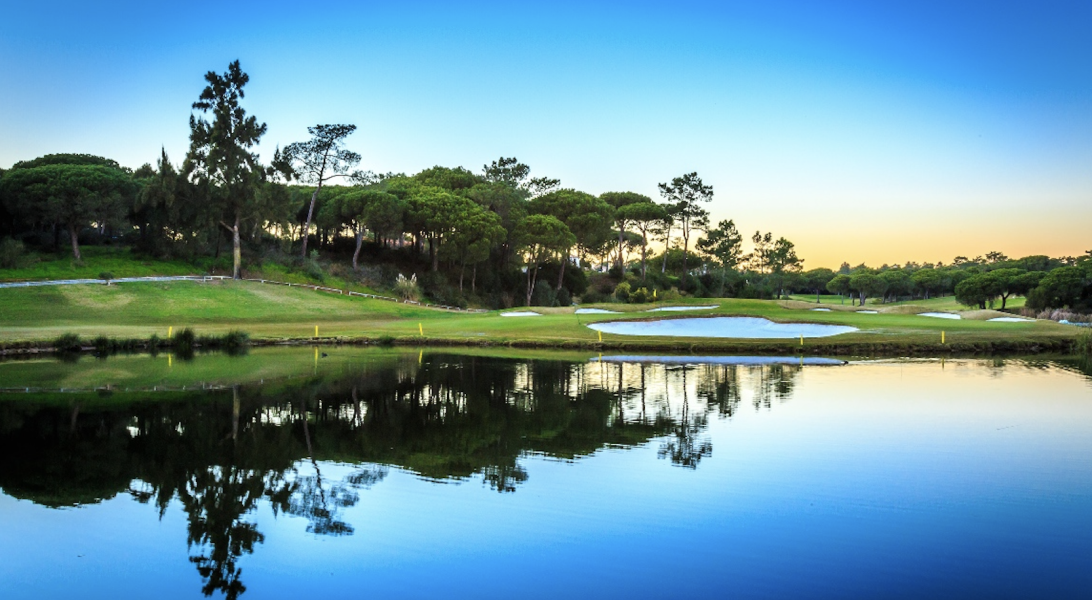
Portugal, continental Europe’s western most country, with miles of golden coastline and an interior that is flourished with history, Portugal is where family and friends are important, people know their neighbors and the sun is always shinning. The coast may be the Atlantic, but Portugal is typically Mediterranean. With its delicious good food, port wine, olive oil, at inexpensive prices – you'll never want to leave this paradise. Located along the southern coastline of Portugal, is the Algarve region, which many would consider the most desirable place in Portugal. From authentic fishing villages to trendy little cities, the Algarve has a wealth of diversity to offer. You are spoiled with the best restaurants, deserted beaches and miles of incredible golf courses. It’s no secret that its Europe’s most famous secret :)
Lifestyle
Lifestyle
The lifestyle is exactly what you would expect - but perhaps even better. The wealth of outdoor activisites is what makes the Algarve special. You can enjoy parasailing, tennis, lazy sun bathing, surfing, scuba diving or even bird watching – there’s never a dull moment and plenty of interesting things to see.

With the Algarve's proximity to North Africa, residents and visitors benefit from an average of 300 days of sunshine a year – making the winters mild and an ideal year-round destination. Living in the Algarve, you can exploit the tourist facilities and join in the fun at resorts such as Vilamoura, the biggest marina in the country with its buzzing waterfront and endless facilities for pursuits such as golf, tennis, horse riding, clay shooting, fishing, gambling and even taking flying lessons. From country and mountain walking, to go-karting at the F1 Algarve International Circuit, the Algarve lifestyle has something for everyone.
AWARDS
AWARDS
It’s with no surprise that Portugal was awarded (again) Europe´s Leading Destination in the World Travel Awards for 2020. Portugal won 27 European awards, including the award of "Europe's Leading Destination 2020", for the fourth time in a row. The Algarve also won for the third time in a row won the award of "Europe's Leading Beach Destination 2020". Created in 1993, the World Travel Awards recognition the work done in the area of the tourist industry worldwide in order to stimulate competitiveness and quality in tourism. Despite the year of unprecedented challenges – Portugal still demonstrates its remarkable resilience in these difficult times.

Golden Visa
The Golden Visa in Portugal is designed to encourage investment from non-EU/EFTA nationals. It offers a fast-track solution to obtaining a residency permit in Portugal, alongside other benefits, for non-EU investors who invest a minimum amount as defined by law. Any non-EU/EFTA national can apply for apply for a Golden Visa in Portugal, or Portuguese investor visa, provided they make at least one of the investments below, either as an individual business person or via a business set up in Portugal or another EU member state. You must fit at least one of the following categories to claim Portuguese residency by investment:
- Capital transfer of at least EUR 1 million into Portugal
- The creation of at least 10 job positions in Portugal
- The purchase of real estate property in Portugal worth at least EUR 500,000
- The purchase of real estate property in Portuguese urban regeneration areas at least 30 years old to the value of at least EUR 350,000
- Investment of at least EUR 350,000 in scientific research in Portugal
- Investment of at least EUR 250,000 in Portuguese arts, culture and heritage
- Investment of at least EUR 500,000 in small and medium businesses in Portugal.
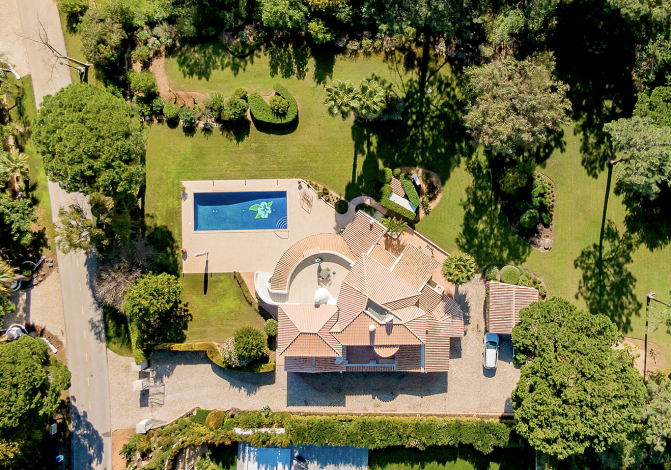
Portugal’s investor visa covers shareholders of companies already set up in Portugal, or in another EU state with a stable residence in Portugal and tax obligations fulfilled. The investment established for the Golden Visa has to be maintained for a minimum of five years from the date when the Portuguese golden visa is established. This scheme has significant benefits and is in considerable demand, given its only one of several possibilities for establishing residence in Portugal – the Golden Visa is the only one that allows access to the residence permit without having to actually live in Portugal and consequently not establishing residence for tax purposes in the country. Other possibilities, such as D2 (Visa for Immigrant Entrepreneurs) and D7 (Residence visa for retirees or income holders) are available even if with less financial investment. Please consult us for more details as there has been recent changes to the Golden Visa rules.
NHR TAX INCENTIVE
NHR TAX INCENTIVE

The Portugal residence program also known as Non-Habitual Residence (NHR) offers new residents highly attractive tax benefits for their first ten years here. When you move to Portugal and not been resident within the last five years, we can help you apply at your local tax office to lock in these significant benefits. Under the NHR, most foreign income, certain capital gains, interest and dividends can be taken tax-free in Portugal. Key exceptions are UK government service pensions and rental income, which remain taxable in the UK. Non-habitual residents employed or self-employed in Portugal in certain ‘high added value’ professions can also benefit from a flat 20% income tax rate.
As of last year, NHR includes a flat 10% tax on foreign pension income and withdrawals (including lump sums). However, those who secured non-habitual residency before April 2020 can continue to receive most UK pension income tax-free for the remainder of their ten-year period.
Benefits:
• Flat rate of 20% on Portuguese earned income from qualifying activities
and exemption from almost all foreign-sourced income.
• Tax exemptions on gifts and inheritance tax to spouse, children, or family
with non-related benefactors being either tax-exempt or subject to a flat
stamp duty tax rate of 10%.
• No wealth tax and free remittance of funds either to or from Portugal.
• Beneficial treatment for pensions and life contracts including unit-linked
investments which further reduces the effective tax burden.
When it comes to legals matters around the NHR, Golden Visas and any other legal procedures, we pride ourselves when we recommend our trusted partnership with Martínez-Echevarría & Rivera – a professional law firm of legal services, both for consultancy and for judicial protection, with activity developed in Spain, Portugal and Turkey for companies, families and private individuals. Founded in 1983, its professionalsim and driven excellence has always been recognized for their market commitment with the objectives and their clients´ ambitions. They currently employ more than 250 professionals, which makes Martínez-Echevarría & Rivera Lawyers a modern law office, completely adapted and prepared to give a response to the most demanding requirements for companies, both national and international, operating in Spain and Portugal. For more information please visit their website at: martinezechevarria.com

STABLE PROPERTY MARKET
STABLE PROPERTY MARKET
Fueled by frenzied foreign demand and an alluring residency-for-investment program, the Portuguese property market has flourished in recent years. And with analysts predicting that housing prices in the country will continue to rise, many investors are scrambling for a cut of this fast-growing market.
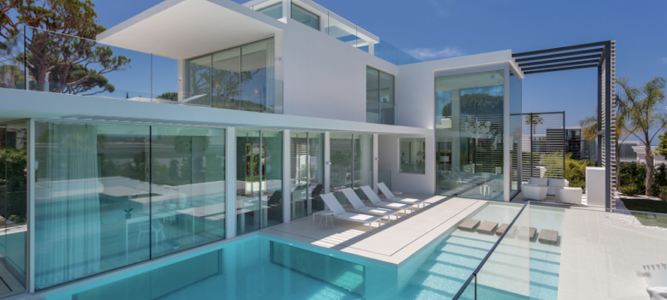
Between 2009 and 2012, Portuguese residential property sales volumes slumped by some 30%. But in 2014, the trend reversed course, with a 5% uptick in sales volumes.In Lisbon, construction and reconstruction projects have proliferated. The whole city centre has practically been renovated. Buyers are scooping up Lisbon Apartments in new developments before construction is finished. Among the most popular properties are investment projects, which generate guaranteed tourist rental income, with typical yields of 4% per annum.
The wonderful climate, undisturbed political atmosphere, low prices, friendly people and the tax regime — all this taken together lures global investors to Portugal.
Portugal’s property market fared relatively well during the global financial crisis, particularly compared to the Greek and Spanish markets, where residential property prices fell 40% in the years following the crisis.
Fast forward to 2020-21, the trend of soaring house prices in Portugal that ran in 2020, in spite of the COVID-19 pandemic, which reduced the number of operations in the market - still maintained its stability. Property prices rose by an average of 5.9% in 2020, and in the last quarter of the year, this increase in prices was 2.7% (according to the idealista price index). Despite these property price increases in Portugal in 2020, increases did start to decelerate, one of the first effects of the COVID-19 pandemic on the market.
However, the start of 2021 is started to look promising once again, with the combination of vaccine rollouts, governemnt easing on lockdowns and the fury of tourists wanted to travel, there has been significant movement already in the first quarter of 2021 in terms of property sales in the Algarve. The pandemic has also caused a surge of remote working nomads who are also searching for property and choosing Portugal as their preferred home.
SAFETY
SAFETY
Portugal is considered the 3rd safest country in the world in the Global Peace Index. Since 2018, the first three places have remained on the podium, with Portugal pursuing Iceland and New Zealand, in first and second place respectively. Europe remains one of the safest regions on the planet and Portugal is included in this continent. In 2014 the country was in 16th place, but right after the economic crisis it went up about thirteen levels.
Portugal is a safe country to live in, and as can we observe, there are many cases of foreigners who have chosen to live in this country. The main reasons include the family oriented culture, sunny weather, the low cost of living and much more.
Factors such as the annual crime rates, risk of terrorism, internal and external conflicts, militarisation and others are assessed. It is also worth mentioning the evaluation of the country's relations with neighbouring countries and the low crime rate. After consecutively winning several tourism awards, the annual peace report of the Institute for Economics and Peace places Portugal back in the top 5 most pacific countries in the world.
As well as being safe to travel to, Portugal is also very safe to live in. Portugal is continually ranked as one of the top ten places in the world to retire to, with the Algarve frequently nabbing the top spot. Portugal has a very large expat community, and most live here without coming into contact with crime. Most expats live in the Algarve, but you’ll also find expats in almost every corner of Portugal: from Porto to the Azores.
The Portuguese government is embarking on a green growth agenda that incorporates circular economy policies and targets across sectors including construction, industry and waste management. The Green Growth Commitment was developed in collaboration with 100 organisations, and represents a long term economic strategy for Portugal to plot a course to recovery since the 2007-08 financial crisis.
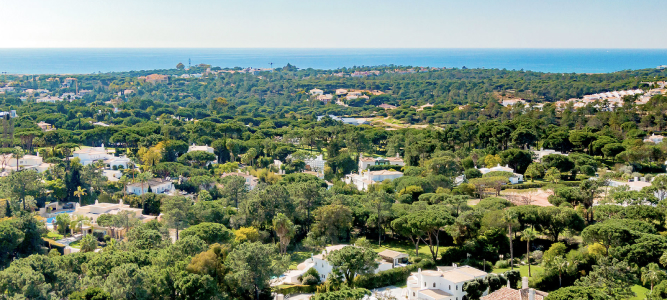
Along side this commitment, the European Commission has also recommended that Portugal gives priority to environmental preservation and increases the area of organic farming, according to recommendations released to help outline the strategic plan for the Common Agricultural Policy. It is with this intent, and other initiatives that Portugal attempts to improve it’s environmental goals and long-term objetcives. At the Berlin tourism fair in 2019, Portugal was awarded as the Best European Destination for Sustainable Tourism - which proves the attraction that Portugal possesses when it comes to nature.
With new regulations on building densities and prioritsing the preservation of natural reserves, you can start to see a level of awareness and care that Portugal and its local authorities want to achieve.
Environement
Environement

Portugal offers arguably the lowest cost of living in Western Europe. Just about everything, from accommodation to groceries, is affordable. Including rent, a couple can live comfortably in Portugal’s interior, or in small cities, from about €1600 a month. A couple’s budget in Lisbon starts at about €2,000 or €2,100 a month…though you can, of course, spend more. Singles should plan on a budget of about two-thirds that of a couple.
Food costs are generally low. Many cities and towns in Portugal—including Lisbon—continue to have large, thriving traditional markets, as well as supermarkets. A couple’s grocery budget can run from about €200 a month, depending on how you choose to buy. Some items that are luxuries elsewhere, such as good wine and olive oil, are locally produced and therefore inexpensive. You can get decent bottles of local wine from about €4 a bottle.
Meals out don’t have to be expensive, either. Portugal’s prato do dia (the lunch special) generally runs €8 to €11 per person and is a complete, sit-down meal. Dinner for two, including wine, can run from about €30-€40.
Utilities, including electricity, heating, water, and garbage collection, for a mid-range apartment can average around €60 a month. You may need to heat your apartment at times during Portugal’s relatively mild winter. And if you live in southern Portugal, you’ll likely want air conditioning during the hot summer months—which will increase your electricity bill.
Overall, comparing these prices to other major cities across Europe, and the quality of its food, it becomes easily understandable why Portugal is so attractive for balanced cost and quality living.
COST OF LIVING
COST OF LIVING
The World Health Report for 2019 by the World Health Organisation awarded the Portuguese healthcare system number 12 in its ranking. Healthcare services in Portugal are organised by the tax-funded public health service, known as the Serviço Nacional de Saúde (SNS). Under the SNS, most essential medical services are free, while non-essential services and treatments are available for a small payment. Qualification to use this system will depend on residency status and nationality.
What’s interesting to see if Portugal is making the effort to make overseas patients feel more comfortable, by having hospitals implement personalised patient care and monitoring services, with English as the language of communication.
If you need to use the SNS public health service, medical assistance can be obtained at the local health centre ‘Centro de Saúde’, located in most built-up areas. The European Health Insurance Card and passport or identification document are the only items required to access free or low-cost healthcare.
Most pharmacies in the major cities are run by qualified chemists who speak English. Pharmacies in rural areas are less likely to have English-speaking staff, but you can still expect excellent service.
HEALTH
HEALTH
Our partnerships & certifications
Our partnerships & certifications
Over the years, we’ve established many relationships and contacts – allowing us to provide quality expertise and bespoke capabilties to our clients.